How to Handle a Barra Funda Drain Backup: Real Fixes That Work
How to Handle a Barra Funda Drain Backup: Real Fixes That Work
A tenant in a low-rise on Rua Sousa Lima calls at 7 a.m. because wastewater is rising through the kitchen drain. The building has a shared ground-floor pipe, and the nearest restaurant just finished its breakfast rush. That is the scene a support technician hears every week in Barra Funda, a neighborhood where old residential blocks sit beside busy commercial kitchens. The fastest way out is to call a professional desentupidora Barra Funda São Paulo SP and stop using water until the line is cleared.
This article walks through the mistakes I see most often on these tickets, the corrections that actually work, and a short summary you can keep on hand.
Mistake 1: Pouring Chemicals Before Checking the Pipe
People reach for a bottle of caustic drain cleaner because it is cheap and fast. On a Barra Funda backup, that is often the first wrong turn. Many buildings here have cast-iron or older PVC lines with grease and soap residue baked onto the walls. Chemicals soften a small clog but rarely clear a full blockage, and they can damage joints.
The correction is to identify where the water backs up. If only one sink is slow, the trap or branch line is the likely problem. If the toilet and floor drain rise together, the main line is blocked. That distinction tells a technician whether to snake a branch or hydrojet the main.
What to check before anyone arrives
- Note every fixture that is backing up, not just the worst one.
- Stop running water in the unit to avoid overflow.
- Keep children and pets away from standing wastewater.
- Check whether the building has a floor drain near the entrance.
Those four details cut diagnosis time and help the crew bring the right equipment.
Mistake 2: Assuming Every Clog Needs the Same Tool
A common ticket reads: “the sink is clogged, send a plunger.” The correction is matching the tool to the blockage. Grease in a restaurant line needs hot water and a mechanical auger or hydrojetting. Tree roots in a lateral need a cutting head. A collapsed pipe needs excavation, not more pressure.
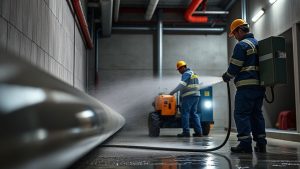
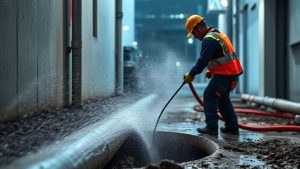
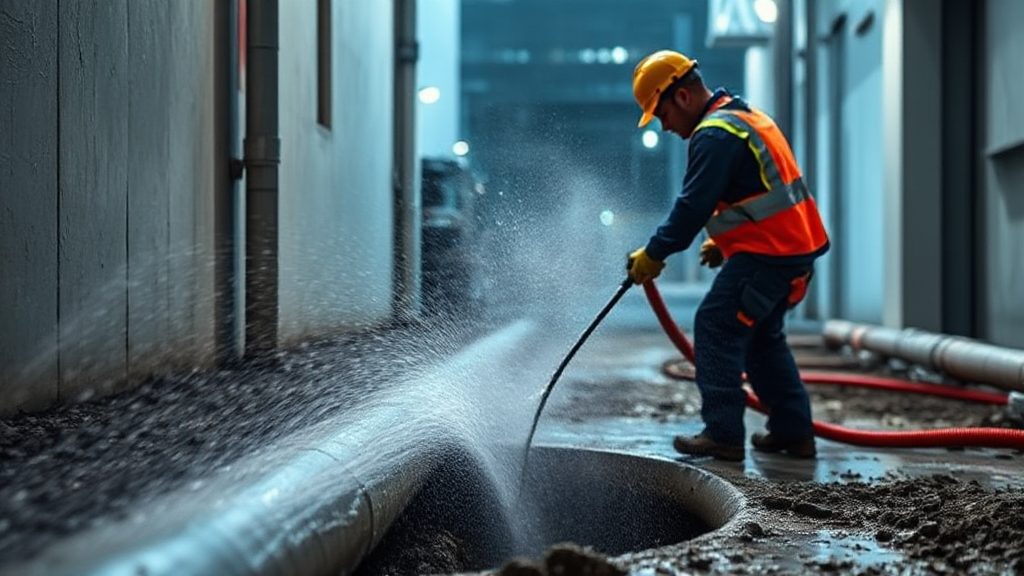
For most residential and commercial calls in the area, a trained desentupidora Barra Funda will inspect the line first, then choose between a drain snake, hydrojetting, or a vacuum truck. Skipping the inspection is how a small clog becomes a broken pipe.
Signs the problem is bigger than a simple clog
Multiple units backing up at the same time, gurgling sounds from other drains, and sewage smell in the hallway all point to a shared line. In those cases, the building manager should be involved before a crew arrives, because the fix may need access to common areas.
Mistake 3: Ignoring the Grease Trap and Fossa
Commercial kitchens in Barra Funda often have a grease trap that is cleaned on a schedule. When that schedule slips, the trap fills and grease travels into the main line. The correction is preventive maintenance, not emergency calls every month. A simple log of trap cleanings prevents most repeat backups.
Properties without a public sewer connection rely on a septic tank, or fossa séptica. Pumping it on time costs far less than dealing with a backed-up yard or a flooded bathroom. A desentupidora em Barra Funda São Paulo SP can inspect the tank level and schedule pumping before the overflow happens.
Preventive checks worth doing
- Record the date of every grease trap cleaning.
- Have the septic tank level checked at least once a year.
- Ask for a camera inspection if backups repeat in the same spot.
- Keep a simple map of drains and cleanout access points.
Mistake 4: Waiting Until After Hours to Call
Sewage backups get worse overnight. Water spreads under tiles, damages baseboards, and creates odor that lingers for days. The correction is to call an emergency line as soon as the backup is confirmed, even at night or on a weekend.
Emergency crews in São Paulo typically carry hydrojetting and vacuum equipment on the truck, so they can clear a line in one visit. Waiting until morning often means a larger cleanup bill and possible damage to neighboring units.
What to tell the dispatcher
Give the address, the type of property, which fixtures are affected, and whether the backup is sewage or clean water. That information helps the team decide whether to send a standard drain truck or a full hydrojetting unit.
Mistake 5: Hiring on Price Alone
A low quote can hide missing equipment. The correction is to ask what the crew will actually do: inspect, snake, hydrojet, or vacuum. A company that arrives without a camera or a jetter may spend hours guessing, and you pay by the hour.
Ask whether the price includes disposal of removed waste, because that is a real cost in São Paulo. A written scope with the tool and the expected time is a fair sign of a professional operation.
Quick comparison of common fixes
| Problem | Typical tool | When it is used |
|---|---|---|
| Single slow sink | Hand auger or small snake | Branch line clog |
| Grease in kitchen line | Hydrojetting | Heavy buildup in pipe walls |
| Shared building backup | Camera plus jetter | Main line or lateral blockage |
| Full septic tank | Vacuum truck | Scheduled pumping |
Short Summary: What Actually Works
Stop water first, identify which fixtures are affected, and call a professional instead of pouring chemicals. Match the tool to the blockage, keep grease traps and septic tanks on a schedule, and treat after-hours backups as urgent. When you hire, ask what equipment will be used and whether waste disposal is included.
Most repeat tickets in Barra Funda come from skipped maintenance, not from bad pipes. A short preventive routine keeps small clogs from turning into weekend emergencies.
Frequently Asked Questions
How fast can a desentupidora arrive in Barra Funda?
Response time depends on traffic and the time of day, but emergency services in São Paulo usually aim to arrive within a short window after the call. Giving clear details about the backup helps the dispatcher send the right crew.
Can I use a plunger or chemical cleaner first?
A plunger is fine for a single slow sink, but avoid chemicals on older pipes. If more than one fixture is backing up, stop and call a technician, because the main line is likely blocked.
Is hydrojetting safe for old pipes?
Hydrojetting is safe when the pressure is adjusted to the pipe material and condition. A camera inspection before jetting is the standard way to confirm the line can handle it.
How often should a grease trap be cleaned?
Frequency depends on kitchen volume, but busy restaurants often need cleaning monthly or more. Keeping a log of dates prevents grease from reaching the main sewer line.