How Do You Prepare for a Desentupidora Indaiatuba SP Visit?
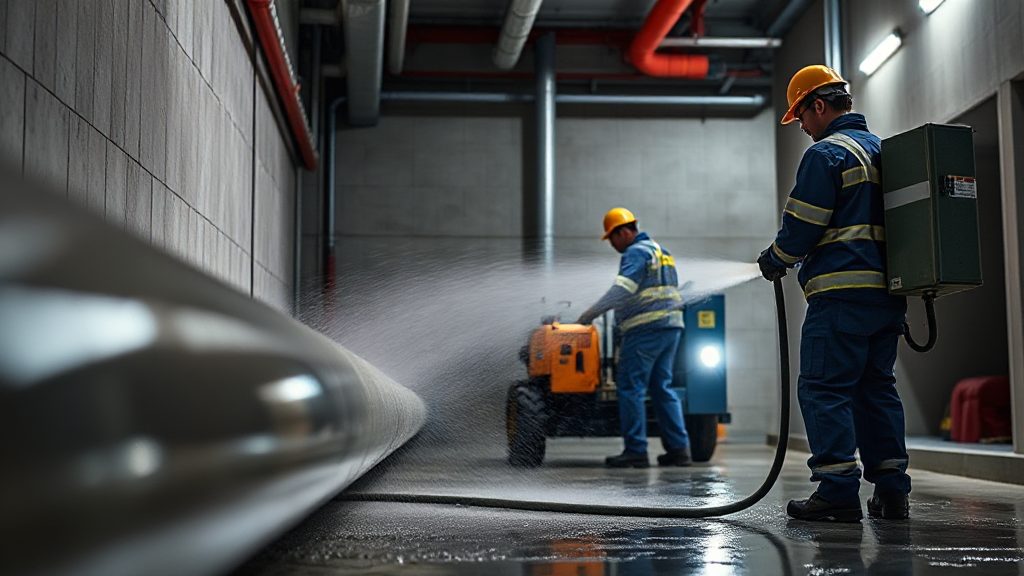
How Do You Prepare for a Desentupidora Indaiatuba SP Visit?
Before a desentupidora Indaiatuba SP team arrives, have three things ready: clear access to the affected drain or cleanout, a short description of what happened and when, and a decision on who will be home to authorize the service. That is the short answer. The rest of this article explains what changes when you already know the basics, because experienced users ask different questions than first-timers.
If you have never called a drain service before, you probably just want someone to fix the problem. If you have been through it once or twice, you want to know how to avoid the same failure next year, how to read the technician’s diagnosis, and when a recurring blockage means the pipe itself is the problem. This guide is written from the perspective of a support technician who has handled those tickets.
What Changes When You Have Already Dealt With a Blocked Drain?
First-time callers usually describe the symptom: water backing up, a bad smell, a slow drain. Experienced callers describe the pattern. They say something like “it backs up every time we run the washing machine” or “the kitchen sink gurgles when the neighbor flushes.” That pattern is more useful than the symptom because it points to the section of pipe involved.
Before you call a desentupidora Indaiatuba, write down the pattern in one or two lines. Include which fixtures are affected, whether the backup happens immediately or after minutes of use, and whether the water drains slowly or not at all. This saves the technician a diagnostic step and often changes which equipment is loaded onto the truck.
Know Where Your Cleanouts and Inspection Covers Are
Every property has at least one access point to the drain system, usually a round cap on the floor, in a wall box, or outside near the property line. If you can point to it, the job starts faster. If you cannot find it, say so when you call. The technician will locate it, but that search adds time to the visit.
For experienced users, the goal is to have a simple map of the property’s drain access points. A photo on your phone works. Mark the cleanout near the kitchen, the one near the bathroom group, and the main line exit. Next time, you will not need to walk the property with a flashlight while the technician waits.
Separate Emergency From Maintenance
An emergency is sewage coming back into the property, a drain that will not clear after basic plunging, or a blockage that affects multiple fixtures at once. Maintenance is a slow drain that still works, a gurgling sound, or a smell that comes and goes. Experienced users know that a maintenance call is cheaper and less disruptive than waiting for the emergency.
If you are unsure which category you are in, describe the situation plainly and let the dispatcher decide. Do not exaggerate to get a faster appointment. A dispatcher who understands the real urgency can prioritize correctly and avoid sending a full hydrojetting setup for a problem that needs a hand snake.
What Should You Have Ready Before the Technician Arrives?
The preparation list is short but specific. Clear the area around the drain or cleanout. Move boxes, mats, and furniture out of the path. If the affected area is a bathroom or kitchen, remove items from under the sink and from the floor. The technician needs room to work and to place equipment without damaging your belongings.
Second, confirm who will be present. Someone with authority to approve the service and the payment must be on site. If you are a tenant, check whether your landlord wants to be contacted before any work begins. If you are a building manager, confirm that the affected unit’s resident knows a technician is coming.
Third, have a way to describe the building’s history. Has this drain blocked before? When? Was it cleared, or was a section replaced? If you have a previous invoice or service report, keep it nearby. A technician who knows the pipe was already snaked six months ago will look for a different cause instead of repeating the same fix.
Protect the Surrounding Area
Drain work can splash. Remove rugs, towels, and paper products from the immediate area. If the backup involves sewage, keep children and pets away from the affected room until the technician says it is safe. Do not try to clean the area with a household mop before the blockage is cleared, because the water will come back.
Experienced users keep a small kit ready: old towels, a bucket, and disposable gloves. This is not a substitute for professional cleaning after a sewage backup, but it helps contain the mess while the technician works.
Ask About Access and Parking in Advance
Hydrojetting trucks and larger drain machines need space. If your street has restricted parking, a narrow gate, or a garage with a low clearance, mention it when you schedule. A desentupidora em Indaiatuba SP that knows the access limits can choose equipment that fits, or plan a longer hose run from the street.
This is one of the clearest differences between beginners and experienced users. Beginners call and wait. Experienced users call with the address, the access details, and the pattern of the blockage already in hand.
What Should You Expect During and After the Service?
The technician will usually start by confirming the affected fixtures and locating the cleanout. Then they will choose a method. A hand snake or drain auger handles a local clog near the fixture. A motorized cable machine reaches farther into the branch line. Hydrojetting uses high-pressure water to scour the pipe walls and is often used when grease, roots, or scale are suspected.
Ask what was found. A professional will tell you whether the blockage was grease, paper, roots, or something else. That answer tells you whether the problem is likely to return. Grease in a kitchen line is a habit issue. Roots in a main line are a pipe issue. Paper in a toilet trap is usually a one-time event.
Understand the Difference Between Clearing and Cleaning
Clearing opens a path through the blockage. Cleaning removes the buildup from the pipe walls. A drain that is cleared but not cleaned will often block again in the same place. If the technician recommends hydrojetting after a cable clearing, ask why. The answer should reference the condition of the pipe, not just the price of the service.
For recurring problems, a camera inspection is the next step. It shows cracks, root intrusion, bellies in the line, and separated joints. Experienced users ask for the camera when the same drain blocks twice in a year. Beginners often wait until the third or fourth backup, which is when the repair becomes more expensive.
Keep a Simple Service Record
Write down the date, the affected drain, the method used, and any recommendation the technician made. Keep it with your property documents. This record is useful when you sell or rent the property, and it helps the next technician understand the history without guessing.
If the service included a warranty or a follow-up window, note that too. A reputable company will explain what is covered and for how long. Do not assume that a cleared drain is guaranteed forever. Most warranties cover the specific blockage that was cleared, not a new blockage from a different cause.
Frequently Asked Questions
How do I know if I need an emergency drain service or a scheduled visit?
If sewage is backing into the property, if multiple drains are blocked at once, or if water will not drain at all, treat it as an emergency. A single slow drain that still works can usually wait for a scheduled visit. When in doubt, describe the situation to the dispatcher and follow their guidance.
Can I use a chemical drain cleaner before the technician arrives?
It is better not to. Chemical cleaners can damage older pipes, and they create a hazard for the technician who opens the drain. If you already used one, tell the technician before work begins so they can take precautions. Mechanical clearing is safer for the pipe and for the person doing the work.
Why does the same drain keep blocking?
Repeated blockages usually mean the pipe has a condition problem: grease buildup, scale, roots, a sagging section, or a broken joint. Clearing the drain removes the immediate clog but does not fix the cause. A camera inspection is the reliable way to find out what is happening inside the pipe.
What information should I give when I call?
Give the address, the affected fixtures, the pattern of the blockage, the location of any cleanout you know about, and any access or parking limits. Mention previous services if you have them. The more accurate the description, the better the dispatcher can match the equipment and the technician to the job.